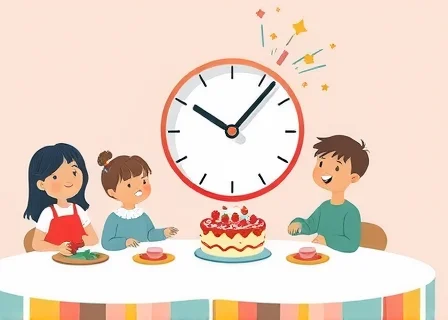
The Clock That Counts Only Happy Moments
# The Clock That Counts Only Happy Moments
In a small village nestled between whispering mountains and a silver river, there lived an old clockmaker named Elias. His shop, tucked between the bakery and the bookshop, was filled with ticking treasures of all kinds—grandfather clocks that hummed lullabies, pocket watches that glowed in the dark, and cuckoo clocks that sang actual bird songs.
But Elias had a secret. For fifty years, he had been crafting a very special clock, one that would not count ordinary time. This clock, he decided, would count only happy moments.
Every morning, Elias worked with delicate gears made from moonlight and springs coiled from laughter. He polished the clock face with petals from roses that had bloomed during first kisses. He carved the hands from branches of trees under which children had learned to ride bicycles. The numbers he painted with ink mixed from tears of joy.
When the clock was finally complete, it was more beautiful than anything the village had ever seen. Its case was crafted from wood that had once been part of a carousel horse, and its face shimmered like the surface of a pond reflecting stars.
Elias placed the clock in the center of the village square, where everyone could see it. The villagers gathered around, curious and excited.
"Will it tell us when to plant our crops?" asked the farmer.
"Will it remind us when market day begins?" wondered the merchant.
"No," Elias smiled. "This clock counts only happy moments. Watch."
The clock's hands began to move. But instead of ticking steadily like normal clocks, it moved in bursts—sometimes quickly, sometimes slowly, sometimes not at all.
When a child laughed at a puppy chasing its tail, the minute hand jumped forward. When two elderly neighbors reunited after years apart, the hour hand crept ahead. When the baker pulled fresh bread from the oven and the whole street filled with its warm scent, the clock chimed softly.
The villagers noticed something remarkable. On rainy days when everyone stayed inside, the clock barely moved. But during festivals and celebrations, it spun almost wildly. They began to understand what Elias had created—not just a timepiece, but a mirror showing them what truly mattered.
Years passed, and Elias grew old. On his deathbed, the villagers gathered around him.
"Master clockmaker," they asked, "what happens to the clock now?"
Elias smiled weakly. "The clock was never mine. It belongs to all of you. And remember—its purpose isn't to measure your happiness, but to remind you to create it."
After Elias passed, the clock remained in the village square. Sometimes it moved quickly; sometimes it barely ticked. But the villagers learned to notice when the clock slowed, and they would organize gatherings, share meals, tell stories, and play music—consciously creating the happy moments that made their lives rich.
The clock still stands there today, in that village between the mountains and the river. And though no one knows exactly how it works, everyone understands its magic: time measured not in seconds or minutes, but in laughter, love, and the precious moments that make us truly alive.