The Clock That Ran on Kindness
# The Clock That Ran on Kindness
Once upon a time, in a village nestled between whispering hills and silver streams, there stood an ancient clock tower at the heart of the marketplace. But this was no ordinary clock. It did not tick with gears of brass or swing with weights of iron. Instead, it ran on something far more precious: kindness.
Long ago, a mysterious clockmaker named Elara had built the clock during a winter when the village had forgotten how to care for one another. Neighbors hoarded bread while children went hungry. Friends turned away from friends in need. The village grew cold, not from the season, but from the chill in their hearts.
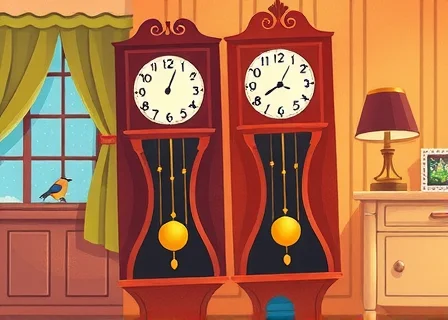
Elara crafted the clock with hands of polished oak and a face of mother-of-pearl. She enchanted it with a simple spell: for every act of kindness performed in the village, the clock would advance. For every cruel word or selfish deed, it would retreat. When the clock struck twelve through kindness alone, a great blessing would fall upon the village.
At first, the villagers scoffed. "A clock that runs on kindness?" they laughed. "What nonsense!" But soon they noticed something peculiar. When young Tomas shared his apples with the widow Chen, the clock's minute hand crept forward. When Mistress Mara taught the baker's daughter to read, the hour hand shifted ever so slightly.
Yet when the merchant refused credit to a struggling family, the clock shuddered backward. When children mocked the old beggar, the hands retreated like shy creatures.
The village fell into confusion. Some tried to game the clock, performing grand gestures for show while their hearts remained cold. But the clock knew. It always knew. Empty kindness counted for nothing. Only genuine compassion moved its hands.
Years passed, and slowly, the village began to change. Children grew up understanding that their actions rippled outward, affecting everyone. The merchant learned that generosity brought more warmth than gold. Neighbors discovered that sharing burdens made them lighter.
One crisp autumn morning, something miraculous happened. A little girl named Lira noticed an elderly man struggling to carry firewood. Without thinking of reward or recognition, she rushed to help him, her small hands gripping the logs with determination. She walked him home, stacked his wood, and listened to his stories with genuine interest.
That evening, the clock began to glow. Its hands swept forward with purpose, moving faster than anyone had ever seen. The village gathered in the marketplace, holding their breath as the hands approached twelve.
When the clock finally struck, golden light cascaded from the tower like warm honey. It touched every home, every heart. Crops grew fuller. The sick found strength returning. Lost things were found. Broken things mended. But the greatest magic was invisible: the villagers felt connected to one another in ways they had never known.
From that day forward, the clock continued its gentle work. It reminded them that kindness was not a transaction but a way of being. That every small act mattered. That the truest magic lived not in spells or enchantments, but in the choice to care.
And so the village thrived, not because they were rich or powerful, but because they understood the secret the clock had taught them: that kindness, freely given, is the most powerful magic of all.