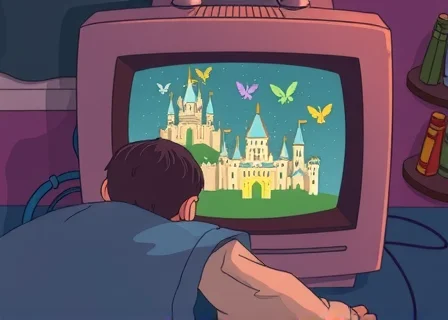
The Computer That Wrote Fairy Tales
Once upon a time, in a kingdom nestled between rolling hills of silicon and forests of fiber-optic cables, there lived a peculiar computer named Pixel. Unlike other computers that calculated taxes or sorted emails, Pixel dreamed of writing fairy tales.
Pixel belonged to Professor Alden, a kind inventor who had accidentally discovered the secret of storytelling when a drop of moonlight fell onto the computer's processor during a midnight experiment. From that moment forward, Pixel's screens glowed with an ethereal blue light, and words began to flow from its keyboard like magic ink made of stardust.
Every evening, as the village children gathered around Pixel's terminal, the computer would hum softly and begin its tales. "There was once a dragon who collected sunsets instead of gold," Pixel would type, its keys clicking like tiny bells. "And a princess who could speak to clouds, convincing them to rain lemonade on hot summer days."
The children's eyes widened with wonder as stories unfolded before them. They saw illustrations appear on the screen—paintings made of light, depicting brave mice riding butterflies into battle against grumpy garden spiders, and wise old trees that remembered every secret ever whispered beneath their branches.
But Pixel's magic came with a peculiar limitation. The computer could only write stories when someone shared a genuine wish from their heart. Young Emma wished for her sick grandmother to recover, and Pixel wove a tale about a healing spring hidden in the mountains of the moon. Timmy confessed his fear of the dark, and Pixel created a story about friendly shadow creatures who protected sleeping children.
Word spread throughout the kingdom, and soon people traveled from distant villages to visit Pixel. A merchant who had lost his way during a storm found a story that guided him home. A lonely widow discovered a tale about her late husband's spirit living in the laughter of spring birds. Each story was different, each one perfectly crafted for the person who needed it most.
However, not everyone believed in Pixel's magic. Lord Grimsby, a wealthy man with a heart full of skepticism, demanded proof. "Machines cannot create dreams!" he declared. "Show me a story that changes my life, and I shall believe!"
Pixel's screen flickered thoughtfully. Then it began to type a story about a man who built walls around his heart, mistaking isolation for strength. The tale spoke of a garden that withered because its keeper refused to let children play among the flowers. It told of birds that forgot how to sing because no one listened anymore.
As Lord Grimsby read, something remarkable happened. Tears streamed down his weathered cheeks, memories flooding back of his own childhood when he once believed in magic. He remembered the fairy tales his grandmother told, the wonder he felt watching butterflies emerge from cocoons, the joy of sharing stories with friends.
"I was wrong," Lord Grimsby whispered. "The magic was never in the machine itself. It was in the belief of those who listened."
From that day forward, Lord Grimsby became Pixel's greatest supporter, helping to share the computer's stories with the world. And Pixel continued writing, proving that even in an age of circuits and screens, the oldest magic of all—the power of a well-told story—could still transform hearts and illuminate the darkness.
For stories, like starlight, belong to everyone willing to look up and believe.