The Smartphone That Wrote Letters to the Forest
# The Smartphone That Wrote Letters to the Forest
Once upon a time, in a small village nestled between whispering mountains and an ancient forest, there lived a young inventor named Elara. She was known throughout the village for her peculiar creations—clocks that chimed in colors, lanterns that captured dreams, and mirrors that showed not your reflection, but your potential.
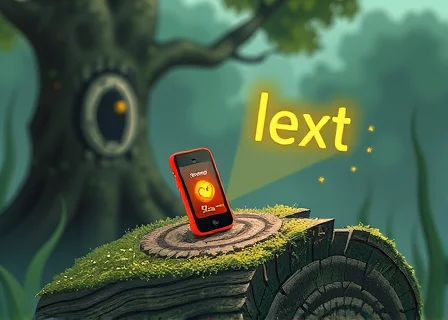
One crisp autumn morning, Elara crafted her most unusual invention yet: a smartphone made from polished birch bark, with screen glass forged from morning dew and spider silk. Its circuits were woven from golden honeycomb, and its battery pulsed with the gentle light of fireflies captured in amber. She called it the SylvaPhone.
Unlike ordinary smartphones, the SylvaPhone did not connect to the internet or make calls. Instead, it possessed a singular, magical purpose: it wrote letters to the forest.
Each evening, as the sun dipped below the mountains and painted the sky in shades of lavender and gold, the SylvaPhone would hover gently above Elara's workbench. Its screen would glow softly, and words would appear as if written by invisible hands—letters addressed to the old oak trees, the chattering brooks, the moss-covered stones, and the creatures that dwelled in the deepest parts of the woods.
"Dear Elder Oak," one letter began, "thank you for sheltering the sparrows during yesterday's storm. Your branches held firm, and we saw them safe this morning."
Another read: "To the Stream That Sings, your melody carried through the village today. A child who had forgotten how to laugh heard you and smiled again."
The forest, in its ancient wisdom, began to write back.
At first, the responses were subtle—a leaf drifting onto the workbench with dew drops arranged like letters, or a pattern of acorns that spelled out gratitude in the language of the woods. But as the seasons turned and the correspondence deepened, the forest's replies grew more elaborate.
Vines curled into elegant script on the workshop windows. Mushrooms sprouted overnight in the shape of words. The wind itself would rustle through the trees and carry messages on its breath, whispering secrets of the earth to anyone quiet enough to listen.
The villagers were astonished. Children would gather around Elara's cottage to hear the latest exchange between the inventor and the woodland realm. The forest spoke of hidden springs and secret paths, of the migration of butterflies and the dreams of sleeping bears. In return, the SylvaPhone shared stories of human kindness, of births and celebrations, of the village's hopes and fears.
But one winter, the letters stopped coming.
The forest fell silent. No messages arrived on the wind. The SylvaPhone's screen remained dark. Elara feared the worst—that the ancient woods had turned away from humanity, perhaps forever.
She walked to the forest's edge and stood there for three days and three nights, holding the silent phone in her hands. On the fourth morning, a single green shoot emerged from the snow at her feet. It grew rapidly, spiraling upward until it formed words:
"The forest was listening. Now it is time for you to listen."
Elara understood. She placed the SylvaPhone beneath the oldest oak tree and walked back to the village without it. The phone remained there, slowly returning to the earth from which its materials came, its purpose fulfilled.
From that day forward, the villagers learned to listen to the forest themselves, without magic or invention. And sometimes, on quiet evenings when the wind was right, they could still hear the rustling of letters being written, carried on the breath of the trees, reminding them that all living things are connected by stories worth telling.